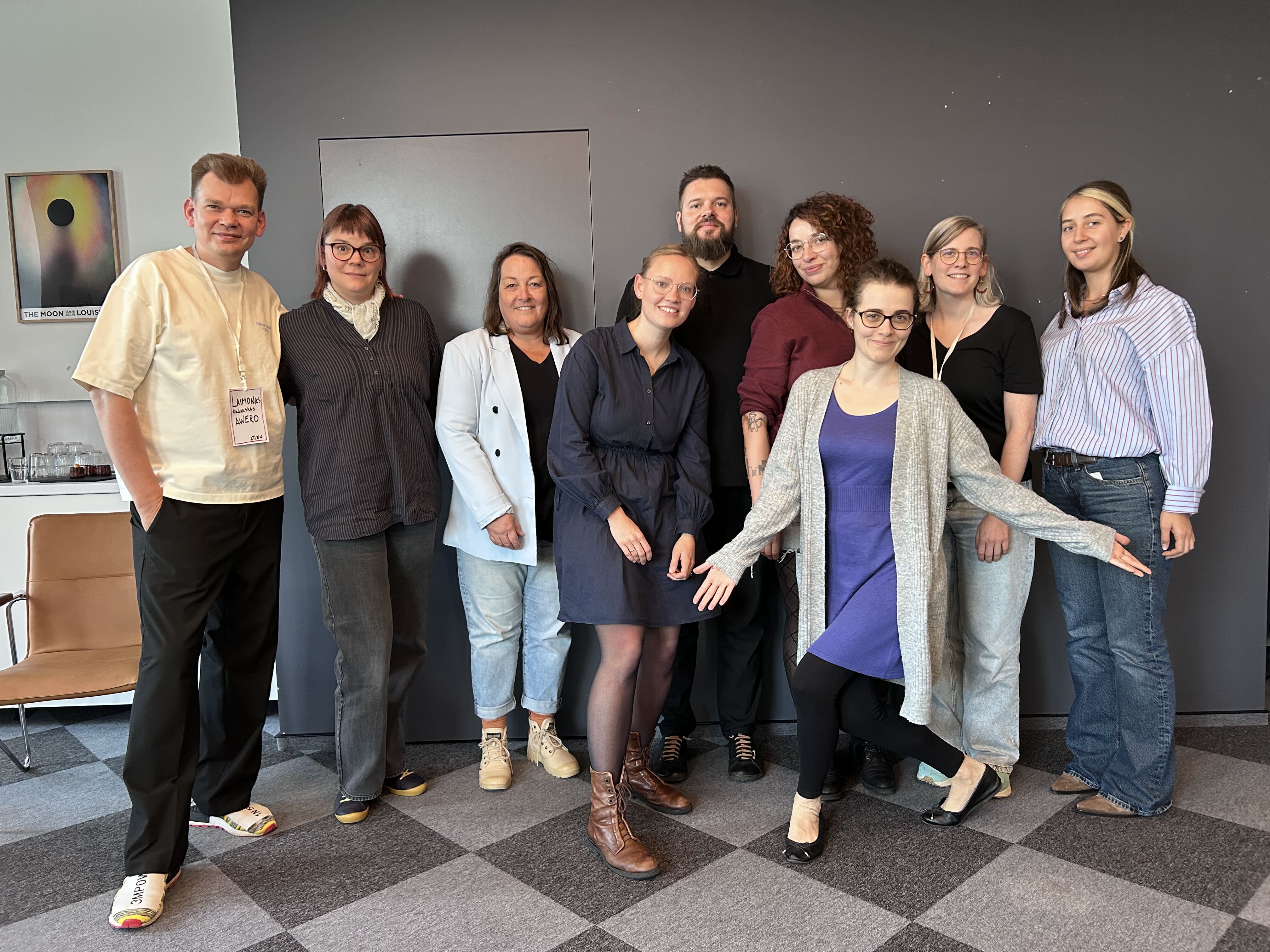
Awero team
Making learning count: meet the partners behind ALOUT
26 nov., 20:41
Meet the organisations behind ALOUT and discover what brought them together, the challenges they want to address, and how they hope to make learning outcomes and skills recognition more meaningful for youth workers and young people across Europe.
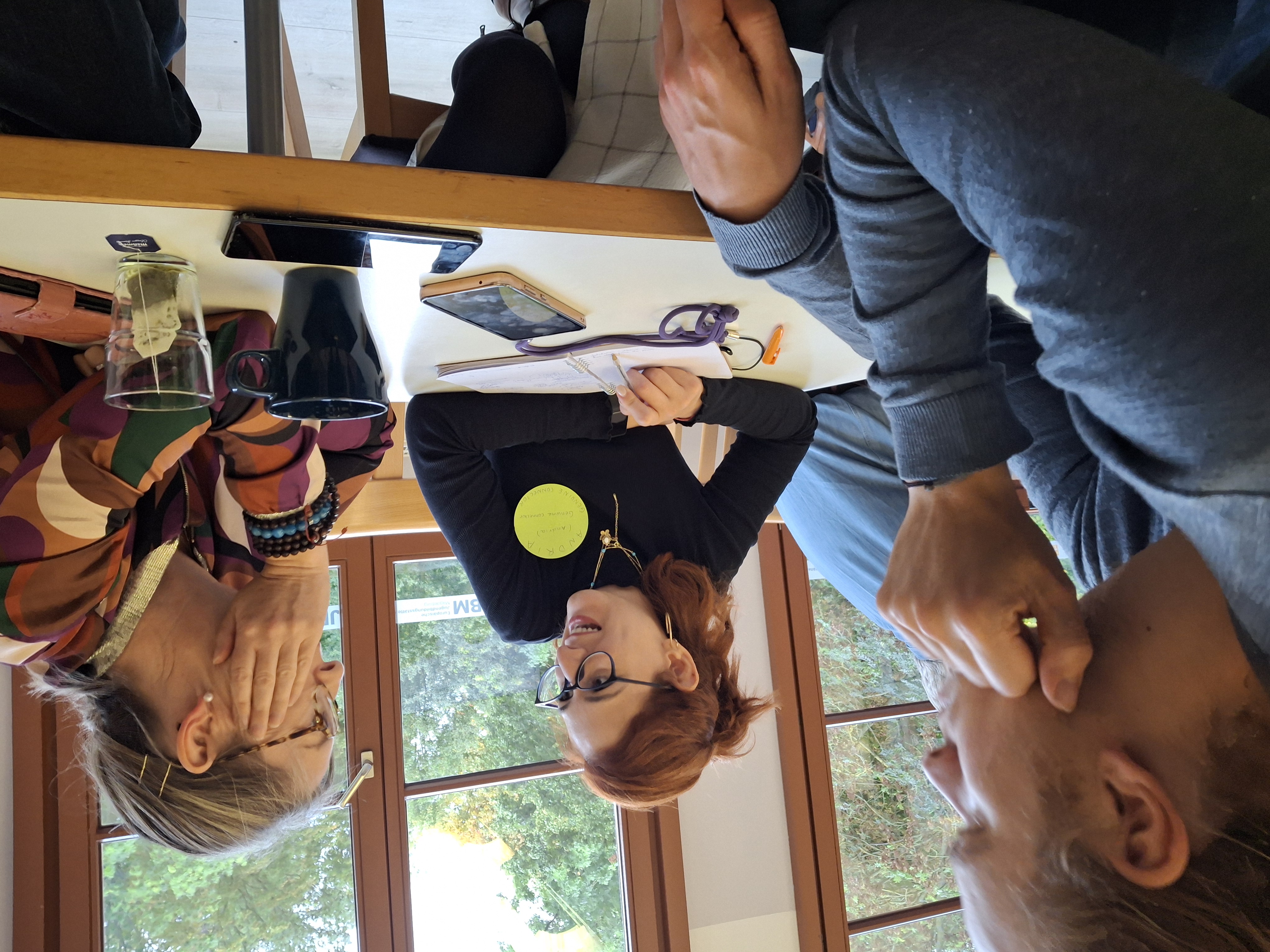
A young person takes responsibility for organising an event. Another learns to manage a conflict, facilitate a group discussion or support a peer. A youth worker designs an inclusive activity, creates a safe learning environment or helps young people discover their strengths.
These are all meaningful learning experiences. They develop knowledge, skills and competences that can make a difference in people's personal and professional lives. Yet, describing exactly what has been learned – and making sure that this learning is understood and recognised beyond the youth work setting – is not always easy.
This is the challenge that brings the five partners of ALOUT – Advancing Learning Outcomes together. The project aims to improve the way learning outcomes are written, described and connected to qualification frameworks, helping youth workers, trainers and organisations make the value of non-formal learning more visible and easier to recognise.
But what does this challenge look like in different European countries? Why did these organisations decide to join forces, and what do they hope to achieve?
We asked our five partners to share their experiences, motivations and expectations. Their answers reveal different starting points, but also a common ambition: making sure that the learning taking place through youth work receives the recognition it deserves!
Five organisations, different experiences
The ALOUT partnership brings together organisations from Austria, Italy, Lithuania, the Netherlands and Serbia. Each has a different role in its national youth work ecosystem, from quality assurance and accreditation to training, advocacy and digital recognition. Together, they bring complementary expertise and perspectives to a shared European challenge.
As Austria's National Qualification Framework (NQF) service point for the youth sector, aufZAQ plays an important role in quality assurance and the recognition of non-formal education. It certifies extracurricular child and youth work training courses, develops competence frameworks and supports training providers in connecting their qualifications with national and European frameworks.
For aufZAQ, working with learning outcomes is already part of everyday practice. Every certification or qualification alignment request requires training providers to describe what participants are expected to learn in clear and measurable terms.
However, translating practical youth work experiences into structured competence descriptions that can be understood by external stakeholders is not always straightforward. This is one of the main reasons why the organisation saw ALOUT as an important opportunity.
Founded by youth workers and trainers, Awero has been working to improve the quality of youth work in Lithuania and across Europe since 2011. Its activities connect international learning mobility, digital youth work, non-formal learning and the recognition of skills and achievements.
With more than 13 years of experience in developing and implementing Open Badge systems, Awero brings extensive practical and technical knowledge to the partnership. It has also supported the development of the Cities of Learning Network, helping organisations design learning activities, pathways and digital recognition systems.
For Awero, the connection between digital recognition and clear learning outcomes is particularly important. Its experience has shown that issuing a badge is only one part of the process: what matters is also being able to explain what someone has learned, how their competences have been assessed and how these achievements can be used in their future educational and professional pathways.
Breakthrough Foundation / Dutch Cities of Learning – The Netherlands
The Breakthrough Foundation works internationally through Dutch Cities of Learning, coordinating platforms and supporting organisations in recognising learning through activities and Open Badges.
The organisation has extensive experience in helping non-formal education providers understand and implement digital recognition. Its involvement in a previous project developing a Quality Label for badge issuing also raised important questions about the quality of badge descriptions and the connection between learning outcomes and qualification frameworks.
For Breakthrough’s Sandra Zoomers, ALOUT offered an opportunity to take this work further, particularly in the Dutch youth work sector, where she sees considerable potential for improving the visibility and recognition of professional learning.
The National Association of Youth Workers (NAPOR) is a network of organisations and individuals engaged in youth work in Serbia. Established in 2009, it works to strengthen the recognition, development and quality of youth work through quality standards, accreditation, training, professional development and advocacy.
NAPOR operates at the intersection of everyday youth work practice and the systems that shape how the profession is understood and recognised. It supports organisations and youth workers in developing meaningful learning experiences while contributing to the standards and frameworks that provide a stronger professional foundation for the sector.
This combination of practical experience and quality development makes NAPOR's contribution particularly valuable when exploring how learning outcomes can be translated into something meaningful for both practitioners and external stakeholders.
The National Informal and Non-formal Education Association (NINFEA) promotes the professional recognition of youth workers, trainers and educators working in informal and non-formal education in Italy.
They focus on advocacy, the development of quality standards and dialogue with national institutions, regional authorities and universities, and their work is particularly relevant in a national context where the recognition of youth work as a profession is still evolving.
NINFEA is also developing a badge-based system to help its members document their competences and connect their learning pathways with frameworks such as the EQF. Through ALOUT, it aims to strengthen this work with practical tools and a wider European perspective.
What brings us together: a shared recognition challenge
Despite their different backgrounds, the five organisations encounter similar challenges in their daily work.
Youth work is built around non-formal learning. Whether through training courses, volunteering, youth exchanges, community activities or local initiatives, young people and practitioners continuously develop competences. However, identifying these competences, describing them clearly and demonstrating their value to people outside the sector can be difficult.
For NAPOR, this challenge starts with something familiar to anyone working with young people: a person might organise an event, take responsibility for a team or learn to deal with disagreements, but struggle to explain what these experiences have taught them.
As the organisation puts it, the goal is to make learning in youth work easier to understand and communicate, "both for the people involved and for those outside the sector."
A similar challenge emerged in the experience of NINFEA. Participants in non-formal education activities may receive certificates such as Youthpass, but when they try to use them in job applications or public calls, the competences described are sometimes too generic to be validated or recognised.
For Sandra at Breakthrough Foundation, the need for better recognition became particularly clear when working with the Dutch qualification system. The organisation had previously used the NLQF as a reference in Open Badge descriptions, hoping to make young people's achievements more understandable to employers. Changes in legislation meant that this approach could no longer be used, creating a need to explore alternative ways of connecting non-formal learning with recognised qualification levels.
In Austria, aufZAQ encounters the challenge through its certification and advisory work, supporting training providers who struggle to formulate measurable learning outcomes and align them with national and European frameworks. Meanwhile, Awero's experience with digital badges has highlighted the importance of defining not only what someone has learned, but also how that learning can be assessed across different educational settings.
These experiences point towards a common need: finding a shared language between the realities of youth work and the systems used to describe, assess and recognise learning.
Importantly, this does not mean making youth work more like formal education. It means developing better ways to communicate its value without losing the flexibility, experiential nature and learner-centred approach that make non-formal education so powerful.
From everyday practice to European solutions
For the partners, improving the recognition of learning is not simply a matter of developing better descriptions or introducing new tools. It also means rethinking how learning is designed, documented and assessed.
At aufZAQ, for example, the challenge often starts when a training provider wants to have a youth leadership course recognised and mapped to the NQF or EQF. The organisation needs support in translating practical experiences into clear competence descriptions that external stakeholders and the labour market can understand.
As the Austrian partner explains, learning outcomes and skills recognition are "at the absolute core of our everyday practice". Through ALOUT, aufZAQ hopes to make this process easier and more accessible, while strengthening the quality and transferability of non-formal learning achievements.
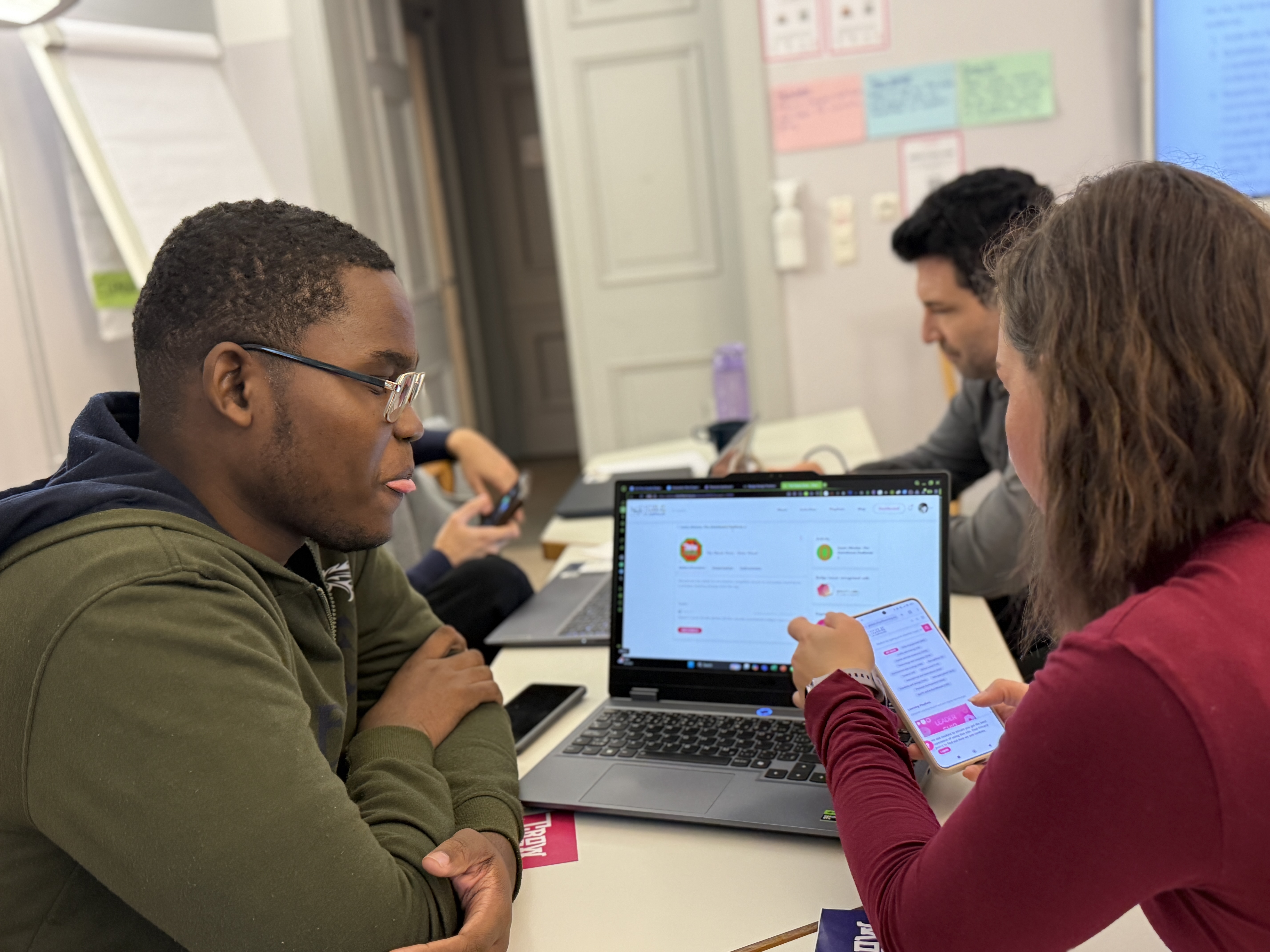
For Awero, the project is an opportunity to bring its experience with Open Badges and digital learning recognition to the next level, while contributing to the quality of youth worker training and education. Its modular training courses for youth workers and trainers already combine competence development, self-assessment and digital badges. However, the organisation wants to ensure that the achievements represented by these badges carry even greater recognition value, particularly by connecting learning outcomes with national and European qualification frameworks.
"We saw ALOUT as a way to strengthen our skills in writing learning outcomes to a professional standard," the Awero team explains.
Breakthrough also sees a strong connection between the project and its existing work. Sandra highlights how recognition is already integrated into the organisation's activities, but joining ALOUT has encouraged her to look more closely at what makes a learning outcome valid and how its achievement should be assessed.
One important distinction is between recognising someone's personal development and issuing a badge that functions as a micro-credential. The latter requires particular attention to the validity and reliability of assessment, so that both the learner and the issuing organisation can trust what the credential represents.
For NAPOR, the focus is on helping organisations move beyond measuring the number of activities delivered or participants involved. Through its quality standards and accreditation processes, it encourages youth work organisations to consider what participants were expected to learn, how their progress can be assessed and what evidence demonstrates that the intended learning outcomes have been achieved.
NINFEA brings another important perspective: the experience of working in a country where professional recognition of youth work is still developing. The association has seen how generic descriptions of competences can limit the usefulness of learning certificates, even when they represent valuable experiences.
For its Vice President, Jan Lai, the ambition is clear: "We hope ALOUT will turn learning outcomes descriptions from a formal requirement into a tool youth workers actually want and can use."
These different experiences are reflected in the practical objectives of ALOUT. Throughout the project, the partners are working towards a set of resources that will help organisations and practitioners improve the way they describe and recognise learning, including:
- A roadmap for aligning learning with the EQF, providing step-by-step guidance on connecting training programmes and their learning outcomes with European qualification levels.
- Updated guidelines and practical resources to support youth workers, trainers and organisations in writing clearer and more measurable learning outcomes.
- An AI-powered assistant to help practitioners formulate and improve learning outcomes.
- Digital Learning Pathways and Open Badge recognition systems, supporting the documentation and recognition of competences developed through non-formal learning.
- A best practice guide and video tutorials, bringing together examples and practical approaches tested throughout the project.
The aim is not to create another set of theoretical guidelines that remain on a shelf. Instead, the partners want to develop resources that respond to real needs, can be integrated into existing practices and help make learning outcomes more useful for everyone involved.
Learning from different systems, building something together
One of the greatest strengths of the ALOUT partnership is that its members do not approach recognition from the same starting point.
Austria brings experience in quality assurance and the alignment of non-formal qualifications with the NQF. Lithuania contributes extensive expertise in digital recognition, Open Badges and competence-based training. The Netherlands brings practical experience in badge issuing and connecting recognition with the needs of youth work organisations. Serbia contributes its work on professional standards, accreditation and the development of youth work as a recognised profession. Italy adds a perspective shaped by ongoing advocacy and efforts to establish clearer professional standards.
For all five partners, learning from these different approaches is just as important as developing the project outputs.
Awero is particularly interested in understanding how other countries work with their national qualification frameworks, how learning outcomes are assessed and how non-formal learning can be recognised by employers and formal education institutions.
NAPOR also hopes to exchange experiences that challenge existing approaches, emphasising that valuable learning comes not only from sharing successful practices but also from discussing what has not worked and which questions remain unanswered.
For Breakthrough, these conversations are an opportunity to better understand how learning outcomes can be developed in ways that genuinely fit youth work, rather than simply adapting existing models from other educational settings.
As aufZAQ puts it: "The best ideas emerge when people from different backgrounds and with different experiences come together, exchange ideas and learn from one another."
This is particularly relevant in a European partnership, where different national systems and approaches can provide inspiration for solutions that are adaptable to different contexts.
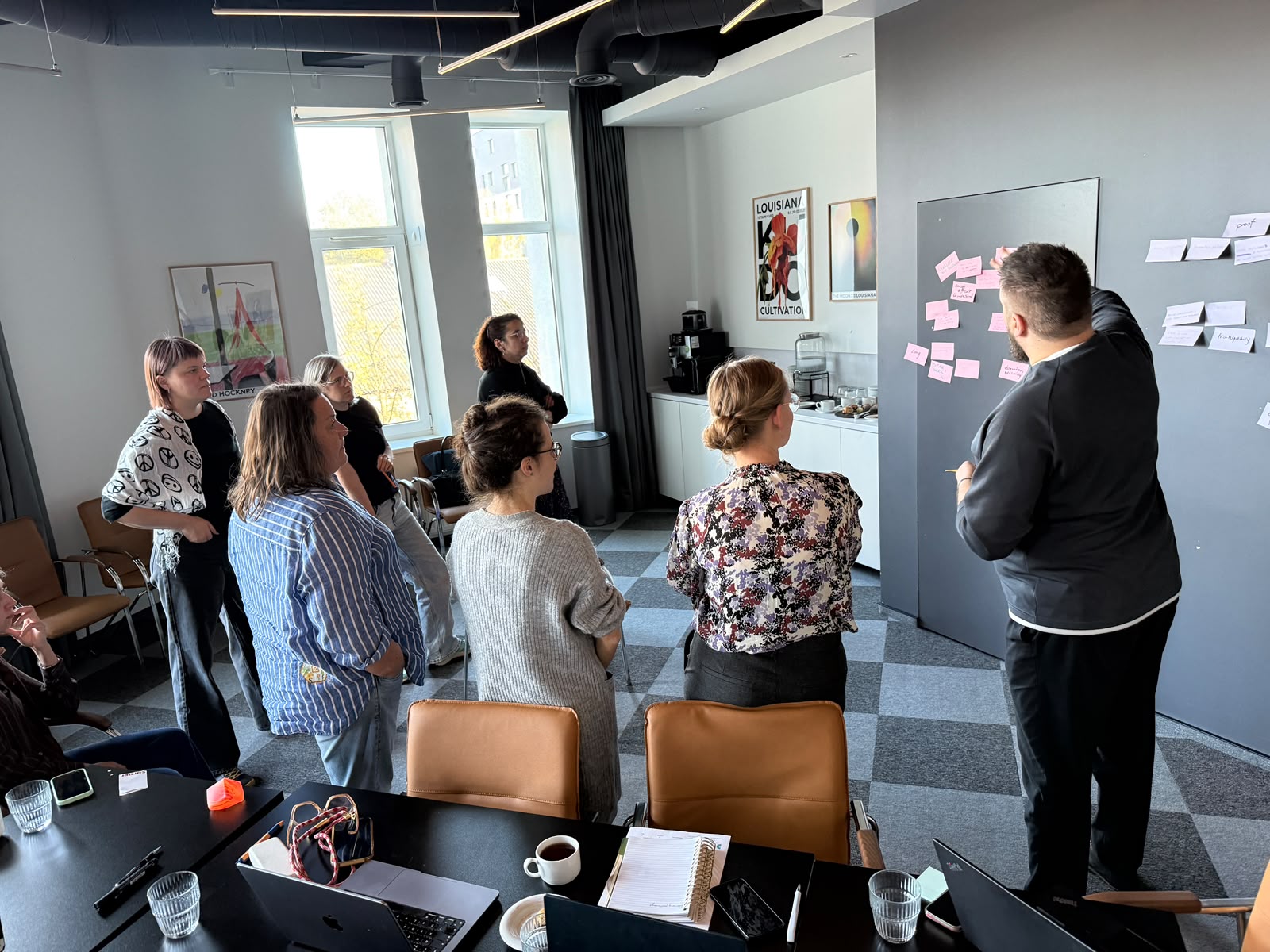
Looking ahead: making youth work count
Ultimately, the partners share a vision that goes beyond the immediate results of the project.
They want young people to better understand what they learn through youth work and be able to communicate these competences in other areas of their lives. They want youth workers and trainers to feel more confident in designing learning experiences and describing their outcomes. And they want organisations to have the knowledge and resources to make their educational activities more transparent, comparable and recognisable.
For NAPOR, this means ensuring that young people leave a youth work experience knowing not only what they did, but also what they learned and how they can use it elsewhere.
For Breakthrough, it means strengthening the visibility and trustworthiness of youth work in the Netherlands, encouraging more organisations to connect their training with recognised qualification systems.
For NINFEA, the project can provide valuable arguments and practical resources for its advocacy work with Italian institutions, supporting the development of youth work as a recognised profession.
Awero hopes that the cooperation will contribute to a shared understanding of training levels across Europe, potentially laying the foundations for stronger sector-wide recognition of youth workers' qualifications.
And for aufZAQ, the ambition is to make qualification alignment more accessible, improving both the quality of educational programmes and the recognition of competences within and beyond the youth sector.
There is still work to do. Writing meaningful learning outcomes, assessing competences and connecting them with qualification frameworks requires time, expertise and cooperation. But the five partners believe that progress is possible when the right knowledge, tools and people come together.
As NAPOR reminds us, "a project's success should not be measured only by what it produces, but by what people continue to use when the project is over."
This is the ambition behind ALOUT: not simply to improve the way learning outcomes are written, but to help build a European youth work sector in which learning is better understood, competences are more visible and the value of non-formal education is recognised.
Supported by the European Union
The ALOUT project is co-funded by the Erasmus+ Programme of the European Union.
Agreement No. 2025-1-AT01-KA220-YOU-000363996
Compartir:

Badgecraft alberga esta plataforma y la desarrolla junto con organizaciones líderes educativas. El consorcio Europeo desarrolla esta plataforma con la cofinanciación del programa Erasmus+ de la Unión Europea.
Cambiar a otro idioma: